



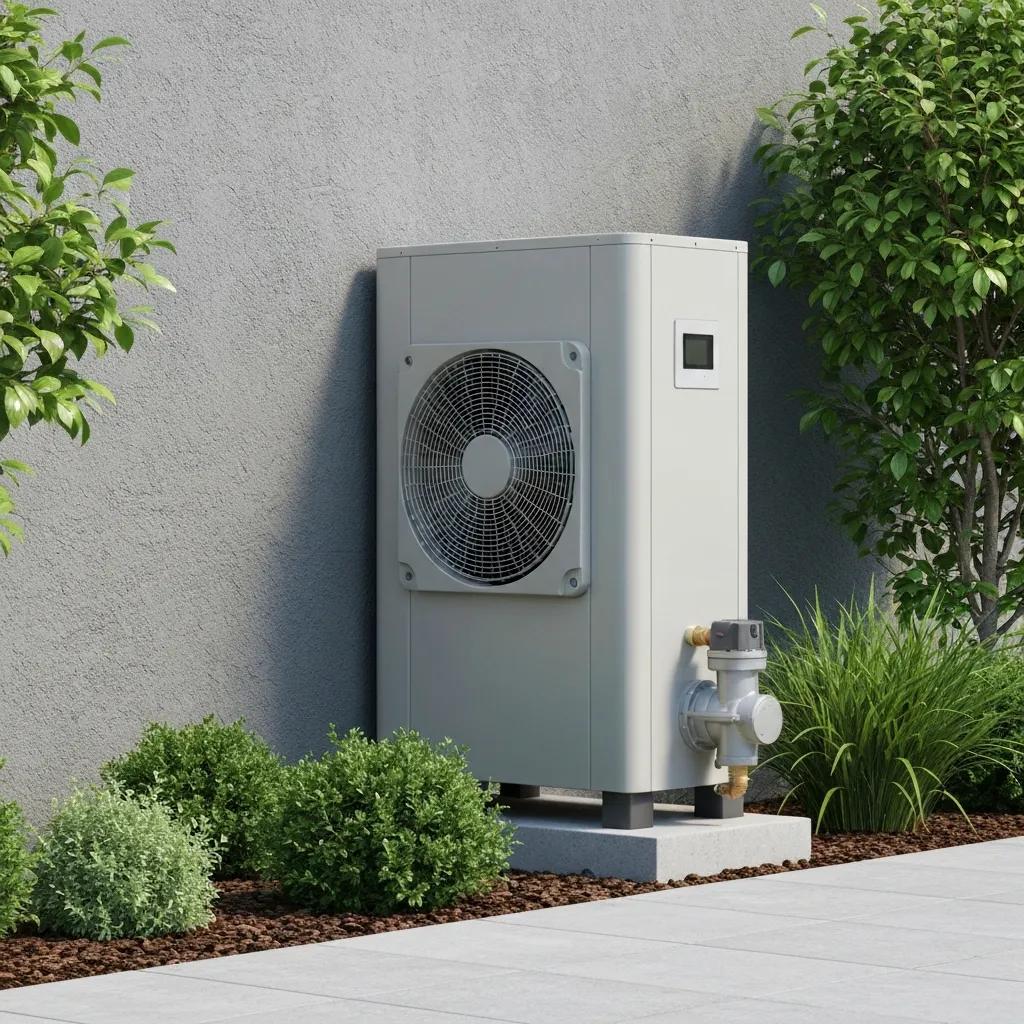
Diagnose and Repair Heat Pump Reversing Valve Problems
The reversing valve in a heat pump directs refrigerant so your system can switch between heating and cooling. Knowing how it works is the first step to spotting mode failures. This guide explains the valve’s function, lists common signs of trouble, and walks homeowners through safe checks you can do before calling a technician. You’ll learn the usual failure types—electrical, refrigerant-related, and mechanical—see what professionals test for, and get practical guidance on repair vs. replacement. We also cover preventive maintenance to extend valve life, with tips tailored for Plant City residents. Throughout, the focus is on clear, actionable steps, safe DIY limits, and when to call a licensed tech for an accurate diagnosis and estimate.
What Are the Common Symptoms of a Faulty Heat Pump Reversing Valve?

A bad reversing valve usually shows up as persistent mode problems, incorrect discharge temperatures, or unusual noises during mode changes. Catching these signs early helps you and your technician narrow the issue to the valve instead of other parts like the compressor or thermostat. Typical symptoms include the system being stuck in heating or cooling, reversed supply-air temperature, or audible mechanical sounds when the unit tries to change mode. Spotting these symptoms quickly speeds diagnosis and reduces the chance of refrigerant damage or higher energy bills.
The most obvious signs are a unit that stays in one mode, delivers the wrong air temperature, switches intermittently, or causes rising energy use despite normal thermostat settings. These point to refrigerant flow problems and can indicate a mechanically stuck valve, a failed solenoid, or an electrical control fault. Note when the behavior occurs and what thermostat commands preceded it—those details help technicians focus tests on the reversing valve. The next section explains simple checks to confirm whether the system is actually stuck in one mode or if another component is at fault.
How to Identify if Your Heat Pump Is Stuck in One Mode or Blowing Cold Air in Heat Mode
Begin with the thermostat: confirm it’s set to the intended mode and temperature, and that the fan setting matches your expectation—incorrect settings can mimic valve issues. Put your hand near supply and return vents to feel whether the air is warm or cold, and watch whether the outdoor unit cycles in response to the thermostat. If the thermostat is set to heat but the outdoor unit runs like it’s cooling and supply air feels cold, the reversing valve or its control circuit could be the cause. Write down your observations and any attempts to cycle the system—clear notes help the technician separate valve problems from refrigerant or compressor faults and speed up professional diagnosis.
What Unusual Noises or Performance Issues Indicate Reversing Valve Problems?
Sound and performance cues often point to the reversing valve: a distinct clunk or click when changing modes can mean the valve is sticking mechanically, while persistent hissing near the valve may indicate a refrigerant leak. Loss of heating or cooling capacity even with normal compressor operation can mean the valve isn’t fully shifting, routing refrigerant inefficiently. Note whether noises occur only during mode changes or continuously—continuous humming or vibration may indicate a solenoid coil or electrical issue. These observations set the stage for the safe DIY checks below and guide a technician’s testing.
Why Does a Heat Pump Reversing Valve Fail? Common Causes Explained
Valve problems usually fall into three buckets: solenoid or electrical failures that prevent actuation, refrigerant pressure or contamination issues that block movement, and mechanical wear or corrosion that jams the valve. Each problem interferes with the piston or slide that directs refrigerant and creates the symptoms listed above. Understanding these root causes helps homeowners know when to stop DIY work and call a pro. The following sections break down solenoid failures and the role of refrigerant and electrical faults. AC repair services are also available for troubleshooting these issues.
Solenoid coil issues are common because the coil generates the magnetic force that moves the valve. When the coil fails it can stop energizing or overheat and seize parts. Signs include no audible click during a mode change or a valve that stays in one position despite control signals. Technicians confirm coil problems with multimeter resistance and continuity checks and by applying a controlled voltage to observe movement. A correct diagnosis separates a bad coil from other electrical or control-board problems that can look similar. HVAC resources provide valuable information related to system maintenance.
How Do Solenoid Coil Failures Affect the Reversing Valve Function?
The solenoid coil creates the magnetic field that shifts the valve’s slide or piston. If the coil fails, the valve can remain stuck in its last position and won’t respond to thermostat commands. A failed coil typically shows open or out-of-spec resistance on a multimeter and may have heat or corrosion damage at the housing. Technicians will test continuity, compare resistance to manufacturer specs, and may briefly energize the solenoid under safe conditions to watch for movement. If the coil is the problem, replacing the coil or solenoid assembly is usually the repair—but technicians first rule out upstream electrical faults so the new coil isn’t damaged again.
What Role Do Refrigerant Leaks and Electrical Issues Play in Valve Malfunctions?
Refrigerant charge and system pressures affect valve movement because the reversing valve shifts against line pressures. Low or imbalanced charge can prevent clean movement, and leaks can allow contaminants that corrode or jam the valve. Electrical problems—faulty relays, intermittent control board outputs, or voltage irregularities—can stop the solenoid from getting the proper signal or power, preventing actuation. Proper diagnosis combines pressure, leak-detection, and electrical tests to decide whether the valve is the main issue or a symptom of a larger problem; the professional diagnostics section explains this process in detail.
How Can Homeowners Perform Safe DIY Checks Before Calling a Technician?
Homeowners can run a short, non-invasive checklist to rule out simple causes and gather useful information for a technician. Focus on thermostat settings, visible outdoor-unit conditions, and basic airflow and filter checks. These steps avoid opening electrical panels, handling refrigerant, or doing electrical measurements—work that should be left to licensed pros. The goal is to confirm whether the symptoms point to the reversing valve or another part so you can describe the problem clearly when you call. After these checks, the guide explains when to stop DIY and request professional service.
Before you call, do the basic observations below to collect symptom data a technician can use right away. These steps are safe, require no special tools beyond an inexpensive thermometer if you want precise readings, and often clarify whether the valve or another component is at fault. Clear notes reduce diagnostic time and help you get an accurate quote. The next section shows the specific thermostat and outdoor-unit checks to perform.
- Verify Thermostat Mode and Settings: Make sure the thermostat is set to the desired mode and temperature, then reset or cycle the system to force a mode change.
- Check Filters and Indoor Airflow: Inspect filters and vents for blockages; replace or clean filters to rule out airflow-related issues.
- Inspect Outdoor Unit Visually: Look for debris, ice, oil stains, or obvious damage around the outdoor unit that could indicate a leak or obstruction.
These basic checks will often reveal non-valve issues and give technicians clear data if the problem continues. If filter cleaning or other simple fixes don’t change the behavior, stop DIY work and move to professional diagnostics.
What Thermostat and Outdoor Unit Inspections Can You Do Yourself?
Confirm the thermostat has power, is in the correct mode (heat or cool), and that no schedule or emergency setting is preventing normal cycling. Replace or clean the indoor air filter and ensure supply and return vents are open—poor airflow can mimic valve problems. At the outdoor unit, remove nearby debris and check for ice, oil stains, or bent fins; listen for odd sounds during mode changes but do not open electrical panels. If you consistently notice wrong-temperature discharge air or strange sounds when the unit changes mode, record those details to help the technician diagnose faster.
When Should You Stop DIY and Contact a Professional HVAC Technician?
Stop DIY troubleshooting immediately if a task requires opening electrical panels, accessing refrigerant lines, or using pressure gauges or multimeters—those actions risk injury and can void warranties. Also stop if symptoms continue after basic checks or if you detect refrigerant smell or oil stains, since those require licensed leak detection and sealed-system repair. Contact a licensed technician when simple fixes don’t work, when you need component-level testing, or when safety is a concern; a professional can run controlled electrical and pressure diagnostics without risking further damage.
What Is the Professional Diagnostic Process for Heat Pump Reversing Valve Issues?

Technicians use a step-by-step approach that combines electrical, mechanical, and refrigerant tests to separate reversing valve faults from other problems. They start by confirming control signals and supply voltage to the solenoid, test coil resistance and direct actuation, then measure refrigerant pressures and temperature differentials across coils and lines. This method cuts down on guesswork and ensures the repair targets the root cause. The table below summarizes common diagnostic tests, the tools used, and what each test reveals.
| Diagnostic Test | Tool Used | Expected Result & Next Steps |
|---|---|---|
| Solenoid continuity/resistance | Multimeter | Continuity and resistance within manufacturer specs indicate a healthy coil; an open circuit or out-of-range reading suggests coil replacement. |
| Direct solenoid activation | 24V or specified voltage source | Valve should move when energized; no movement points to a mechanical jam or upstream electrical fault. |
| Refrigerant pressure check | Gauge set (high/low) | Correct high/low differential indicates proper charge; unusually low or high readings point to leaks or overcharge that require repair. |
This table helps homeowners see how technicians reach a diagnosis and what each test says about valve health. After these checks, a tech will normally verify electrical controls and temperature splits to complete the assessment.
How Do Technicians Test Solenoid Function and Refrigerant Levels?
Technicians measure solenoid coil resistance with a multimeter and compare readings to the manufacturer’s range; out-of-spec resistance indicates coil wear. They may energize the solenoid with a controlled power source to watch for physical actuation, which separates electrical from mechanical problems. A gauge set is used to record high- and low-side pressures while the system cycles to evaluate refrigerant charge and pressure balance. Abnormal pressures or a valve that won’t move under direct energization lead to targeted repairs like coil replacement, valve servicing, or sealed-system leak repair.
After solenoid and pressure tests, techs confirm the electrical control path and measure temperature differentials to ensure refrigerant is flowing correctly and the unit is operating in the commanded mode.
What Electrical and Temperature Differential Tests Are Performed?
Technicians measure voltage to the solenoid during mode changes to confirm the thermostat or control board is sending the right signal, and they inspect relays and board outputs for intermittent faults. They also measure temperature differences across indoor and outdoor coils and along refrigerant lines to verify flow direction. A temperature split that doesn’t match the commanded mode suggests a mispositioned valve or reversed flow; inconsistent splits suggest intermittent electrical or compressor issues. Combined with solenoid and pressure tests, these measurements reveal the best repair path.
Creamer Air Conditioning & Heating offers full diagnostics in Plant City using the same sequence—solenoid activation, pressure checks, and electrical verification. If you’d rather have a technician handle the testing, Creamer accepts service requests by phone and can schedule on-site evaluations to provide a written quote. Documenting your observations—thermostat behavior, sounds, and temperature readings—before the visit helps the technician zero in on the reversing valve when appropriate.
Should You Repair or Replace a Faulty Heat Pump Reversing Valve? Cost and Lifespan Considerations
Whether to repair or replace a reversing valve depends on repair cost, unit age, warranty coverage, and the overall condition of the heat pump. Repairing a solenoid or performing valve servicing can be cost-effective for newer systems in otherwise good shape, while full valve replacement or even unit replacement may be the smarter long-term choice for older, corroded, or repeatedly failing systems. The table below compares repair and replacement across common factors to help you weigh short-term cost against long-term reliability.
Intro to repair vs replace table: The comparison below summarizes typical cost ranges, expected downtime, longevity impact, and warranty considerations to help you choose.
| Option | Typical Cost Range | Downtime & Longevity Impact |
|---|---|---|
| Repair (solenoid/valve servicing) | Moderate parts and labor | Shorter downtime; restores function but may not stop future valve wear |
| Replace valve assembly | Higher parts and labor | Moderate downtime; improves reliability and can significantly extend service life |
| Full unit replacement | Highest upfront cost | Longer downtime; offers efficiency gains and reduces long-term repair risk |
Use this comparison to balance immediate costs against expected future repairs. After you consider these factors, the next section covers typical local cost variables and how age and warranty affect the decision.
What Are the Typical Repair and Replacement Costs in Plant City, FL?
Costs depend on accessibility, unit model, and refrigerant type. Repairing a solenoid or performing minor valve service is usually a moderate parts-and-labor expense; a full valve assembly replacement increases both parts and labor costs. Extra charges apply if refrigerant recovery and recharge are needed or if the valve is hard to access. Exact pricing requires an on-site diagnostic so the technician can see the unit and provide a written quote listing parts, labor, and any refrigerant work.
How Do Unit Age and Warranty Affect Your Decision?
Unit age and warranty status strongly influence the repair vs. replace choice. Systems near the end of their expected life often make replacement more cost-effective due to improved efficiency and fewer future repairs. Check manufacturer warranties or service-plan coverage before approving work—some parts or labor may be covered and change the cost calculation. If the reversing valve failure is one of several age-related problems, replacement may save money over time. Ask a technician to assess your unit and provide a recommendation based on remaining useful life.
Creamer Air Conditioning & Heating will evaluate age, warranty, and repair economics during diagnosis and provide a written estimate for recommended work. Sharing your unit model and symptom notes when you call helps speed the assessment and produce a clearer recommendation.
How Does Preventative Maintenance Help Avoid Reversing Valve Failures?
Regular maintenance helps prevent reversing valve failures by addressing the common causes—debris, corrosion, refrigerant imbalance, and electrical wear—before they become serious. Scheduled inspections and tune-ups keep refrigerant charge correct, ensure electrical connections are tight, and reveal early mechanical wear that’s easier and cheaper to fix. Maintenance records also support warranty claims and improve system efficiency, lowering the chance of sudden valve failures. The table below summarizes recommended maintenance tasks, suggested frequency, and their impact on valve longevity.
Intro to maintenance table: This table lists typical inspection and service items, how often to do them, and why they matter for preventing valve problems.
| Maintenance Task | Frequency | Effect on Valve Longevity & Recommendation |
|---|---|---|
| Visual inspection & debris clearance | Monthly/seasonal | Prevents external corrosion and airflow restriction; an inexpensive preventive measure |
| Refrigerant charge & leak check | Annually | Keeps pressures balanced so the valve can shift reliably; catches leaks early |
| Electrical connection & control check | Annually | Prevents intermittent solenoid faults and control-board issues |
| Professional tune-up (full system) | Annually | Comprehensive inspection that finds early wear and documents system condition |
Consistent maintenance lowers the chance of valve failure and supports reliable, efficient system operation. The next section lists practical homeowner and technician tasks to keep reversing valves working properly.
- Clean or replace filters regularly: Keep airflow healthy to prevent stress on the system and avoid symptoms that look like valve failure.
- Clear debris around the outdoor unit: Maintain a few feet of clearance to prevent damage and ensure proper airflow.
- Schedule annual professional tune-ups: Include refrigerant and electrical checks to catch early signs of valve wear.
Regular upkeep helps prevent breakdowns, preserves system efficiency, and may reduce total ownership costs over the unit’s life.
What Regular Inspections and Cleaning Are Recommended for Longevity?
Homeowners should clean or replace filters monthly to quarterly depending on use and keep the outdoor unit free of leaves, grass, and debris to avoid corrosion and airflow restriction. Each year, a qualified technician should verify refrigerant charge, perform leak detection when indicated, inspect electrical connections, and check control signals to the reversing valve. These actions reduce contaminants and pressure-related problems that can cause valve sticking or solenoid stress. Keep records of maintenance and repairs—technicians use that history to spot trends and warranty issues. HVAC maintenance plan is crucial for all homeowners.
How Can Scheduled Professional Servicing Prevent Costly Repairs?
Planned servicing uses targeted tests to find small leaks, early coil degradation, or corrosion before they become major problems, allowing lower-cost fixes such as seal repairs or coil replacement. Technicians can tighten electrical connections, calibrate controls, and confirm refrigerant charge—steps that reduce stress on the reversing valve during mode changes. Regular service also documents system condition and reveals repeat issues that may need larger corrective action. Investing in annual tune-ups typically lowers emergency repairs and extends the life of key components like the reversing valve.
Why Choose Creamer Air Conditioning & Heating for Heat Pump Reversing Valve Repair in Plant City?
Creamer Air Conditioning & Heating is a family-owned, local HVAC company serving Plant City and nearby communities. We focus on clear diagnostics, practical repairs, and helping homeowners understand their options. As a local resource for reversing valve evaluation and repair, Creamer can be reached by phone or scheduled for an on-site diagnostic to provide a detailed quote. Creamer offers residential HVAC services to meet your needs.
What Makes Creamer AC’s Expertise and Certification Stand Out?
Creamer Air Conditioning & Heating lists EFL certification and operates as a bonded, insured service provider—important trust signals when you need HVAC work. Our local, family-run presence means we’re familiar with the equipment models and climate factors that affect Plant City systems. Those strengths, combined with the structured diagnostic steps described above, enable us to perform the tests and maintenance that reduce reversing valve failures. When you call, have your unit make and model and a brief symptom summary ready to speed up the on-site evaluation.
How Can You Request a Quote or Schedule Service?
To get a quote or schedule a diagnostic visit, Plant City homeowners can call Creamer Air Conditioning & Heating or stop by the local office to set an appointment and discuss symptoms ahead of time. Have your unit model, recent symptom notes, and maintenance history ready so the technician can bring the right tools and give a more accurate estimate. A professional diagnostic that follows the testing sequence in this guide will determine whether a reversing valve repair or replacement is needed and provide a clear, written cost estimate.
Frequently Asked Questions
What preventive maintenance can I perform to extend the life of my heat pump reversing valve?
Simple maintenance goes a long way. Clean or replace filters regularly to keep airflow steady, and clear debris around the outdoor unit to prevent damage and restricted airflow. Schedule an annual professional tune-up so a technician can check refrigerant levels and electrical connections—those inspections catch early wear before it leads to valve problems.
How can I tell if my heat pump is experiencing refrigerant issues?
Look for inconsistent heating or cooling, hissing sounds, or frost/ice on coils. If the system won’t hold temperature, low refrigerant or a leak may be the cause. A visual check for oil stains or frost along refrigerant lines can help, but proper leak detection and refrigerant handling require a licensed technician with the right equipment.
What should I do if I notice unusual noises coming from my heat pump?
Document the noise, when it happens, and what the system was doing. Clunking during mode changes can mean mechanical sticking, hissing may point to a refrigerant leak, and continuous humming could indicate a solenoid or electrical issue. Share these observations with a licensed technician so they can diagnose the problem safely.
How often should I schedule professional inspections for my heat pump?
We recommend at least one professional inspection per year. Annual tune-ups give technicians a chance to check refrigerant levels, electrical connections, and other components, catch early wear, and help the system run efficiently—extending the life of parts like the reversing valve.
What are the signs that indicate I need to replace my heat pump reversing valve?
Persistent mode errors (the unit stays stuck in heat or cool), ongoing incorrect air temperatures, or repeated unusual noises despite repairs are signs replacement may be necessary. Significant corrosion or mechanical wear on the valve also favors replacement, especially on older systems where long-term reliability is a priority.
Can I perform my own repairs on the heat pump reversing valve?
You can do basic checks—thermostat verification, filter inspection, and clearing debris—but valve repair involves electrical and refrigerant work that should be done by licensed technicians. Attempting sealed-system or electrical repairs can be dangerous and may void warranties. Document your observations and call a pro for a safe, accurate repair.
What factors should I consider when deciding to repair or replace my reversing valve?
Consider the unit’s age, warranty status, repair cost, and overall system condition. A newer system in good shape is often worth a targeted repair, while older systems with multiple issues may be better off with valve or unit replacement. Check warranty coverage before approving work, and ask your technician for a lifecycle-based recommendation.
Why Is My Heat Pump Reversing Valve Stuck and How Can I Fix It?
Valves get stuck from solenoid failure, refrigerant pressure imbalance, corrosion, or debris that prevents full travel. Immediate homeowner steps are simple: verify thermostat settings, replace filters, and clear debris around the outdoor unit to rule out common non-valve causes. Do not open electrical panels or attempt refrigerant recovery—those tasks require a licensed technician. For a definitive fix, schedule a professional diagnostic that includes coil testing, pressure checks, and controlled valve activation.
What Controls the Reversing Valve and How Does It Work?
The reversing valve responds to a control sequence: the thermostat requests a mode change, the control board signals a relay, and the relay supplies voltage to the solenoid coil, which shifts the valve’s piston or slide to redirect refrigerant. Electrical faults at the thermostat, relay, or control board can mimic valve problems, so technicians verify each link during diagnosis. Both correct solenoid voltage and proper refrigerant pressure are required for reliable valve movement, which is why combined electrical and pressure tests are essential.
How Much Does It Cost to Replace a Heat Pump Reversing Valve?
Replacement costs vary by unit accessibility, model, and whether refrigerant recovery and recharge are required. Typical ranges cover moderate to higher parts-and-labor expenses depending on complexity. Labor increases if the valve is hard to reach or integrated with other components, and local market conditions and refrigerant type affect pricing. For an accurate estimate, request an on-site diagnostic and written quote detailing parts, labor, and any refrigerant handling needed. If you prefer, contact a local HVAC provider to schedule an evaluation and a formal estimate.
Conclusion
Knowing the common issues with heat pump reversing valves helps you take practical steps to diagnose and address problems. Early symptom recognition and safe DIY checks can save time and reduce repair costs. When in doubt, a licensed technician will provide a precise diagnosis and the right repair or replacement plan. For expert help in Plant City, reach out to Creamer Air Conditioning & Heating to schedule a diagnostic visit.